

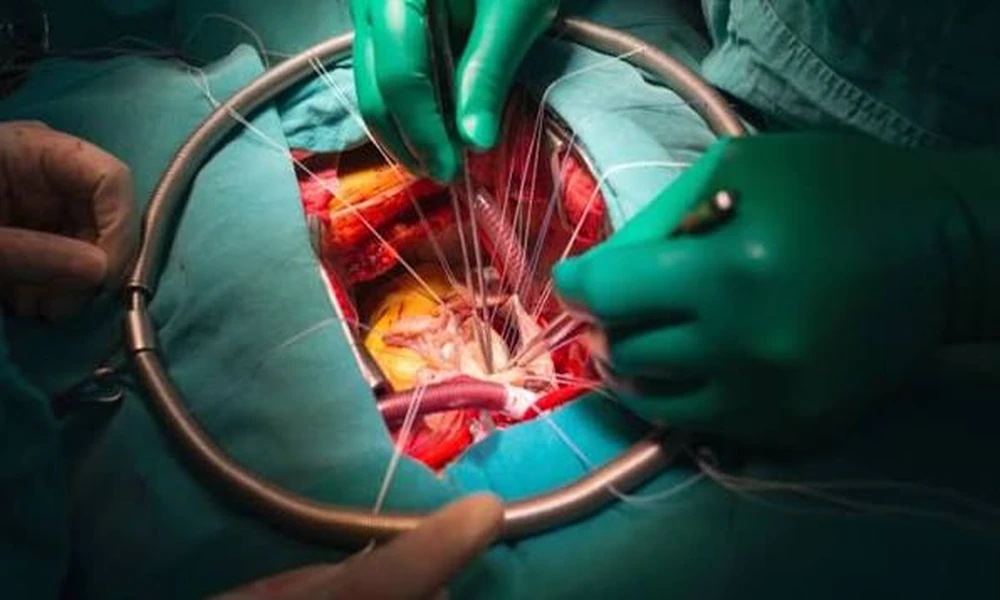
Aortic stenosis is a condition in which the aortic valve becomes narrowed and cannot open normally. As the narrowing progresses, the heart has to work harder to pump blood into the body. Severe aortic stenosis can eventually cause breathlessness, chest discomfort, dizziness, fainting, tiredness, or a noticeable decline in exercise capacity.
Once severe aortic stenosis begins to affect heart function or causes symptoms, replacing the diseased valve may become necessary. Traditionally, this meant surgical aortic valve replacement through open-heart surgery. Today, many patients can also be evaluated for Transcatheter Aortic Valve Implantation, commonly known as TAVI or TAVR.
What Is TAVI?
TAVI is a catheter-based procedure used to place a new biological valve inside the diseased aortic valve. Instead of opening the chest and removing the existing valve, doctors guide a compressed replacement valve to the heart through a catheter. The most common route is through the femoral artery in the groin, although alternative access routes may be considered when needed.
Once positioned correctly, the new valve is expanded inside the narrowed native valve and begins controlling blood flow. Because the procedure usually avoids a large chest incision and cutting through the breastbone, recovery can be shorter than after conventional open-heart surgery for appropriately selected patients.
Patients who want to understand the procedure in greater detail can review this guide to the TAVI procedure for aortic stenosis and its evaluation, treatment process, risks, and recovery.
When Is TAVI Considered for Aortic Stenosis?
TAVI is primarily considered for patients with severe aortic stenosis who have an indication for valve replacement. The decision is not based on valve narrowing alone. Doctors look at symptoms, heart function, age, general health, anatomy, expected longevity, previous procedures, and the risks and benefits of both transcatheter and surgical treatment.
Current international guidance places strong emphasis on assessment by a multidisciplinary heart team. This usually brings together interventional cardiologists, cardiac surgeons, imaging specialists, anaesthesiologists, and other professionals involved in structural heart care.
Severe Symptomatic Aortic Stenosis
Symptoms are an important warning sign. Breathlessness during routine activity, chest pain, fainting, dizziness, or increasing fatigue may suggest that the narrowed valve is significantly limiting blood flow.
For patients with confirmed severe aortic stenosis and relevant symptoms, valve replacement is generally considered rather than simply continuing observation. The heart team then determines whether TAVI or surgical valve replacement is more appropriate.
Older Adults
TAVI was initially developed mainly for elderly people and patients considered too high risk for surgery. Evidence has since expanded its use considerably. It can now be considered across different surgical-risk categories, although age remains an important part of treatment planning.
For older adults with suitable anatomy, a catheter-based procedure may be particularly attractive because it can reduce the physical impact of treatment and may allow an earlier return to normal daily activity.
Patients With Higher Surgical Risk
Some patients have medical conditions that increase the potential risks of open-heart surgery. These can include significant lung disease, kidney disease, frailty, previous cardiac surgery, or several coexisting illnesses.
TAVI may provide an alternative when a heart team believes avoiding a major chest operation offers a meaningful advantage. However, additional medical conditions do not automatically make someone a TAVI candidate. Each patient requires individual assessment.
Previous Heart Surgery
Patients who have already undergone bypass surgery or another cardiac operation may face added complexity if another open-heart procedure is required. Scar tissue and previous grafts can influence surgical planning.
In selected patients, TAVI may allow treatment of severe aortic stenosis without reopening the chest. Detailed CT imaging and coronary assessment are usually important in deciding whether this approach is technically suitable.
What Tests Are Needed Before TAVI?
TAVI requires careful planning. An echocardiogram confirms the severity of aortic stenosis and evaluates heart function. CT imaging is commonly used to measure the aortic valve, examine the aorta and blood vessels, and help select the appropriate valve size and access route.
Patients may also undergo an ECG, blood tests, coronary assessment, and other investigations depending on their medical history. These tests help the team judge whether the procedure can be performed safely and whether other heart problems also need treatment.
Why Is TAVI Not Automatically the Best Choice for Everyone?
The fact that TAVI is minimally invasive does not mean it is automatically preferable to surgery. Younger patients may require a long-term strategy that considers valve durability and possible future procedures. Certain valve anatomies, associated aortic disease, the need for bypass surgery, or other cardiac conditions may make surgical treatment more suitable.
Potential TAVI complications include bleeding, vascular injury, stroke, leakage around the new valve, kidney problems, and heart rhythm disturbances that may require a permanent pacemaker. Careful imaging and experienced procedural planning help doctors assess these risks.
A heart team therefore considers the patient’s lifetime treatment pathway rather than simply choosing the procedure with the smallest incision.
What Happens After TAVI?
Many patients are able to sit up and begin walking relatively soon after an uncomplicated procedure. Hospital stay varies according to the patient’s condition, access route, recovery, and any complications.
Follow-up remains important after discharge. Doctors monitor the replacement valve, heart rhythm, symptoms, medications, and overall recovery. Patients should also follow instructions regarding activity, wound care, medicines, dental care, and future cardiac appointments.
The Bottom Line
TAVI has transformed the treatment of severe aortic stenosis by providing a catheter-based alternative to open surgical valve replacement. It is particularly valuable when a less invasive approach offers clinical advantages, but suitability depends on far more than age or surgical risk alone.
The best treatment decision comes from confirming the severity of aortic stenosis, understanding symptoms and overall health, studying valve and blood-vessel anatomy, and comparing the long-term advantages and limitations of TAVI and surgery. For anyone diagnosed with severe aortic stenosis, a structured heart-team assessment can help determine which valve replacement approach is most appropriate.