

Key Takeaways
PRP injections use platelet-rich plasma harvested from the patient’s blood to aid healing in various medical and aesthetic contexts.
This therapy stands out for its effectiveness, offering a distinctive healing methodology that leverages the body’s intrinsic processes while minimizing the chance of allergic reactions.
Research has shown that the concentrated platelets in PRP injections can boost tissue regeneration and significantly alleviate pain in those suffering from chronic tendon injuries.
Successful results in both athletic recovery and aesthetic enhancements have been observed, with numerous patients noting improvements in functionality and skin quality.
The process of PRP injections involves collecting blood, centrifuging it to isolate plasma, and then delivering injections to stimulate healing in the targeted area.
Customizing PRP treatments according to individual needs is crucial for achieving optimal outcomes, especially for those with chronic injuries or those pursuing natural aesthetic enhancements.
Additionally, pairing PRP injections with other therapies, such as physical therapy or laser treatments, can further enhance recovery and improve treatment results.
Opening up the Benefits: Why PRP Injections Stand Out in Regenerative Medicine
Experts in regenerative medicine have increasingly highlighted PRP injections for their capacity to harness the body’s natural healing capabilities. This treatment relies on platelet-rich plasma obtained from a patient’s own blood, which is injected into specific sites to facilitate healing. So, what is it about PRP injections that garners such attention? It boils down to their extraordinary efficacy and wide applicability, spanning musculoskeletal concerns to aesthetic enhancements.
Evidence suggests that PRP therapy provides a distinct healing route. Unlike conventional methods that frequently depend on medical drugs or surgical procedures, PRP leverages the body’s internal resources. This autologous approach makes it exceedingly safe, as the likelihood of allergic reactions or rejection is nearly nonexistent. However, the advantages extend well beyond just safety.
Exceptional Healing Power: What the Research Reveals
Research indicates that the concentrated platelets found in PRP injections promote tissue regeneration and repair. They are laden with growth factors and cytokines pivotal for healing. For instance, a study featured in the American Journal of Sports Medicine highlighted that patients who underwent PRP therapy for chronic tendon injuries experienced significant pain reduction and functional improvements.
Moreover, clinical outcomes published in various peer-reviewed journals consistently reveal that patients not only achieve faster recovery times but also enjoy improved quality of life after treatment. As more supporting evidence emerges, there’s a noticeable trend towards PRP as a first-line treatment option for an array of conditions. It’s about more than just recovery; it’s also about enhancing overall well-being.
Real-World Success Stories: Transformations Through PRP Therapy
The effectiveness of PRP therapy isn’t just theoretical. Actual case studies present compelling narratives that resonate with prospective patients. Take, for example, one athlete grappling with chronic knee pain, which severely impacted performance. Following a series of PRP injections, their recovery took a remarkable turn. What was once thought to be a career-ending issue evolved into a renewed chance for competitive play.
There’s also the story of patients seeking aesthetic refinements. In facial treatments, for example, individuals have reported striking enhancements in skin texture and elasticity following PRP injections. This isn’t merely hearsay; many beauty professionals are advocating for the incorporation of PRP alongside conventional cosmetic procedures.
The PRP Injection Process: What to Expect from Start to Finish
Grasping the PRP injection process can clarify the experience for many prospective clients. Awareness of what to expect, from preparation to post-injection recovery, helps mitigate anxiety. For those contemplating this innovative treatment, being informed fosters a sense of empowerment.
Preparing for Your Appointment: Getting Ready for PRP Therapy
Patients typically arrive for their treatment day with a few simple preparations in mind. Staying well-hydrated is essential; it enhances both blood volume and quality. Additionally, avoiding blood-thinning medications, like aspirin or certain anti-inflammatories, at least a week prior is recommended. Usually, following a consultation, healthcare providers will carry out a blood draw to gather the needed materials.
Here’s a quick checklist on how to prepare:
- Stay well-hydrated 24 hours before the treatment.
- Avoid blood-thinning medications.
- Discuss any pre-existing conditions or medications with the healthcare provider.
A Behind-the-Scenes Look: How PRP Injections Are Administered
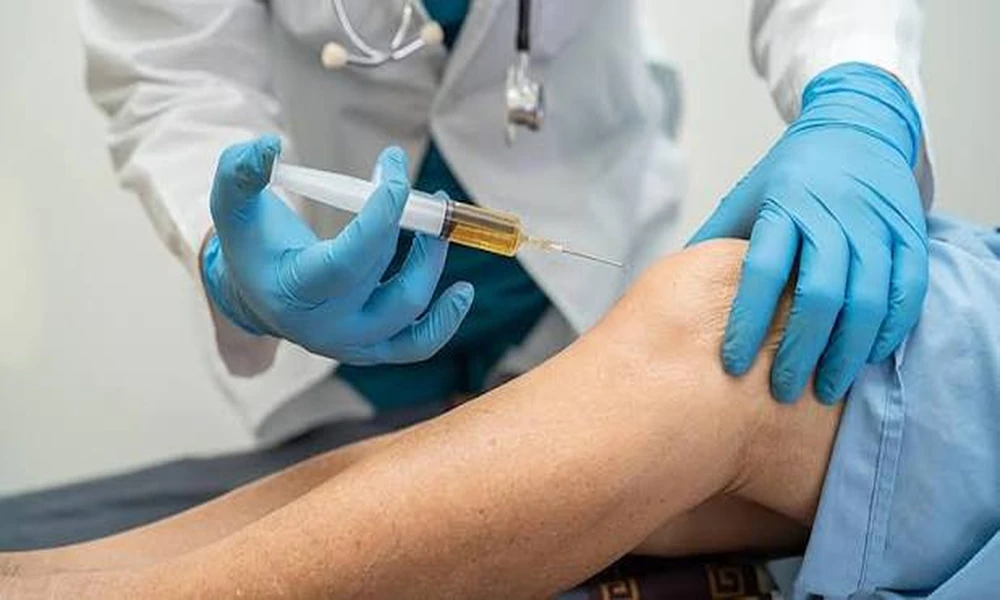
The process of administering PRP injections is relatively simple but entails several careful steps. After collecting the blood, the sample is placed in a centrifuge, which spins rapidly to separate the plasma from the other blood components. This concentrated plasma, rich in platelets, is subsequently injected into the target area, encompassing joint spaces or facial skin.
The magic occurs from here. The growth factors embedded in PRP trigger cell proliferation, tissue repair, and regeneration. While patients might feel slight discomfort during the injection, the potential for healing makes this trade-off worthwhile. Understanding this procedure enables clients to maximize benefits while mentally preparing for the treatment.
Tailoring PRP for You: Customization and Personalization in Treatment
As with any medical approach, tailoring is vital. Not every patient will benefit from PRP therapy; thus, a careful assessment of each individual’s specific needs is critical to ensure the highest probability of success. Customizing treatments improves both effectiveness and the overall experience for patients.
Identifying Suitable Candidates: Who Benefits Most from PRP?
Professionals commonly evaluate various factors to determine suitable candidates for PRP injections. Typically, the best results are found in individuals with chronic pain or injuries that have not responded to conventional treatments. Ideal candidates may include athletes, those with degenerative conditions, or individuals looking for aesthetic improvements in their skin.
Characteristics of optimal candidates often include:
- Chronic injuries unresponsive to conservative measures.
- Desire for natural aesthetic enhancements.
- Realistic expectations regarding treatment outcomes.
Combining PRP with Other Treatments: Optimizing Results
Often, the combined effects of PRP with other therapies produce enhanced outcomes. Many professionals investigate the benefits of pairing PRP injections with physical therapy or laser treatments. This integrated approach has the potential to expedite healing and recovery times, resulting in quicker, more satisfying results for clients.
The possibilities are abundant, underscoring the importance of customizing treatment plans. This blended strategy can serve various patient demographics, from athletes looking for efficient recovery methods to those searching for revitalization in the realm of cosmetic dermatology. Engaging healthcare providers in discussions about multi-modal treatments can unveil new opportunities.
Science Meets Aesthetics: PRP Injections in Cosmetic Procedures
PRP injections have increasingly gained traction in the realm of cosmetic procedures, showing tremendous potential. Professionals are integrating this therapy into their aesthetic offerings, changing the landscape of beauty treatments. Many clients are attracted to this method for its natural foundation and minimal recovery time.
Enhancing Skin Quality: The Role of PRP in Facial Treatments
In the arena of skin rejuvenation, PRP injections have been shown to smooth wrinkles, improve texture, and elevate skin radiance. The injectables stimulate collagen production, which is essential for maintaining youthful skin. Many patients express satisfaction upon witnessing visible enhancements just weeks following the treatment.
Nevertheless, it is essential for clients to hold realistic expectations. Results can vary significantly based on individual skin types and conditions. An open dialogue with healthcare providers about desired outcomes can cultivate a positive treatment experience. Many practitioners may recommend a series of treatments to attain ongoing improvements, thus enabling clients to achieve optimal results.
Hair Restoration Breakthroughs: How PRP Fosters Hair Growth
Exploration of hair restoration represents another fascinating facet for PRP injections. Recent studies suggest that these injections can invigorate hair follicles and may reverse certain hair loss patterns. Clients often report noticeable regrowth and thicker hair following just a few sessions. This is a win for many seeking alternatives to pharmaceuticals or invasive surgeries.
Furthermore, the increasing number of success stories highlights the treatment’s resilience in addressing issues often considered irreversible. PRP for hair restoration can indeed be a transformative option for individuals exploring various treatment paths.
“Investing in PRP therapy may not just restore your hair but also your confidence.”
PRP injections offer a myriad of benefits across diverse fields, showcasing their versatility as both a medical treatment and an aesthetic solution. Clients and practitioners celebrate the growing body of evidence supporting its effectiveness, reinforcing PRP’s status as a leader in innovative healing methodologies. As more embrace this treatment, the outlook remains bright for both regenerative and cosmetic uses.
FAQ
How long do the effects of PRP injections last?
Typically, results from PRP injections can persist anywhere from several months to a year, depending on individual healing dynamics and the specific treatment area. Maintenance treatments might be suggested to sustain the best outcomes.
Is PRP therapy safe for everyone?
While PRP therapy generally carries a low risk profile due to its autologous nature, not everyone is an appropriate candidate. Professionals review each patient’s health history and current medical status to assure suitability for the treatment.
Can PRP treatments be used for joint pain relief?
Absolutely, PRP treatments show promise in alleviating joint pain, especially in relation to tendon injuries or arthritis. Numerous patients indicate significant pain reduction and enhanced mobility after treatment.
What should be avoided after receiving PRP injections?
After undergoing treatment, it’s wise to steer clear of strenuous activities or intensive exercise for a few days to promote optimal healing. Clients should also avoid applying makeup or any topical treatments to their skin for a similar timeframe.
How many sessions of PRP injections are typically required?
The number of sessions needed can vary based on treatment objectives and individual responses. Usually, a regimen of three sessions spaced a few weeks apart is common for effective results, particularly in aesthetic treatments.
Are there any side effects associated with PRP therapy?
Most side effects are mild and transient, including slight discomfort, swelling, or bruising at the injection site. Serious complications are exceedingly rare, thanks to the natural origins of PRP therapy.
What distinguishes PRP injections from traditional steroid treatments?
PRP injections foster healing through biological mechanisms, utilizing the body’s own platelets, whereas steroid treatments may solely mask pain and inflammation. This essential distinction renders PRP a more comprehensive solution for many patients.
What other conditions can PRP injections address?
Apart from aesthetic improvements, PRP therapy is applicable in hair restoration, sports-related injuries, and chronic tendinopathies. Its versatility allows practitioners to customize treatments across various conditions, greatly enhancing patient outcomes.