

1. INTRODUCTION
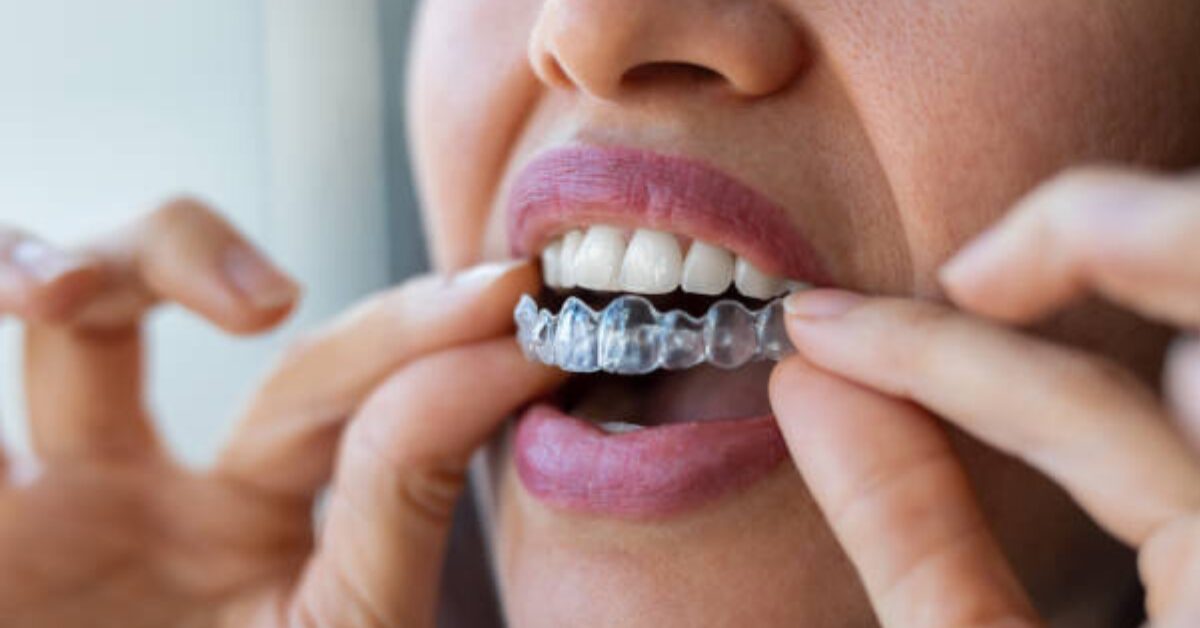
Straightening your teeth no longer means wearing metal brackets or uncomfortable wires. Invisalign offers a modern, nearly invisible way to get a straight smile with comfort and precision. But have you ever wondered how these clear trays actually move your teeth? Let’s explore the science and steps behind how Invisalign works so effectively.
2. THE SCIENCE BEHIND TOOTH MOVEMENT
Our teeth are not fixed in place like concrete; they sit in sockets surrounded by soft tissues and bone. Treatments like Invisalign NYC use this natural process to gradually move teeth into better alignment. When gentle pressure is applied over time, the bone reshapes itself — a natural process known as bone remodelling.
Here’s how it works:
- Osteoclasts break down the bone where pressure is applied.
- Osteoblasts rebuild new bone behind the moving tooth.
Teeth can move safely and damage-free because of this equilibrium. This natural biological reaction is utilized by Invisalign to gently and effectively move your teeth.
3. WHAT MAKES INVISALIGN DIFFERENT?
While traditional braces use metal wires and brackets to pull teeth into position, Invisalign uses a series of custom-made plastic trays. Each tray is slightly different and designed to move your teeth step by step.
The main advantages include:
- No visible metal parts
- Removable trays for eating and cleaning
- More comfort and fewer dental visits
- Personalized design for your unique bite and tooth shape
Because of these benefits, Invisalign has become one of the most popular choices for both teens and adults who want discreet orthodontic treatment.
4. STEP BY STEP: HOW INVISALIGN MOVES TEETH
The Invisalign journey starts with a digital scan or impression of your teeth. Using advanced 3D software, orthodontists plan every stage of tooth movement.
Here’s how the process unfolds:
- Consultation: Your provider examines your teeth and discusses your smile goals.
- Custom Aligners: 3D technology predicts how your teeth will move.
- Wearing Aligners: Each set is worn for 1–2 weeks, about 22 hours daily.
- Progress Check-ins: Regular visits or virtual checkups ensure steady progress.
Each tray applies controlled pressure on specific teeth, moving them slowly but effectively. This step-by-step process allows Invisalign to deliver precise results without pain.
5. ADVANCED MATERIALS AND SMART DESIGN
SmartTrack, a unique material created for comfort, strength, and precision, is used to make Invisalign aligners. It offers a snug fit, flexibility, and clarity while resisting stains and maintaining shape throughout wear.
Small attachments may be added to certain teeth to help the trays grip better and control movements such as rotations or vertical shifts. Furthermore, some aligners provide accurate incisions for the elastic bands, which enable Invisalign to handle complicated instances that previously needed braces.
6. WHAT INVISALIGN CAN FIX?
Invisalign can correct many common dental issues, including:
- Crowding: Creating space for overlapping teeth
- Gaps: Closing spaces between teeth
- Overbites and underbites: Aligning upper and lower teeth properly
- Crossbites: Correcting misaligned jaw positions
For more complex movements, attachments or rubber bands may be used for extra control.
7. MONITORING AND ADJUSTMENTS
Regular appointments help ensure that the treatment stays on track. During these appointments, your orthodontist may make changes to your treatment plan or supply new aligners. Some clinics even offer virtual check-ins, making it easier to stay consistent.
Invisalign is a blend of science, technology, and patient commitment. By combining natural bone adaptation with custom-made aligners, it provides a safe, comfortable, and nearly invisible way to achieve a confident smile.