

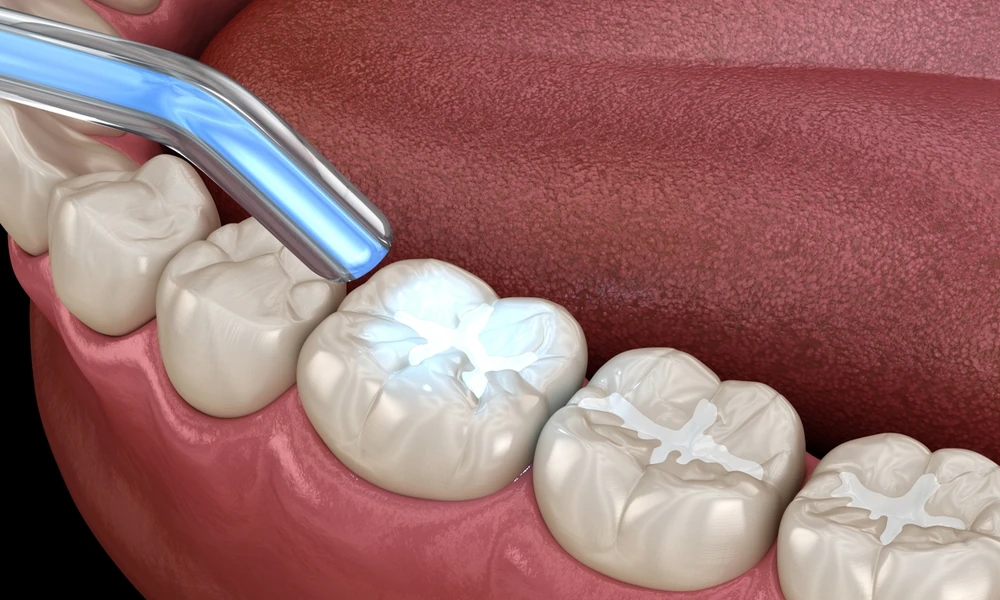
Restorative dental work can feel scary. You may worry about pain, cost, or how your smile will look. You may also feel unsure about who to trust. A dentist in San Jose, CA can repair damage from decay, injury, or worn teeth. Careful planning protects your health, your time, and your money. You deserve clear answers before anyone touches your teeth. First, you need to understand your treatment options and what each one can and cannot do. Next, you should know how long the work will last and what care it will need. Finally, you must check the training and track record of the person who will treat you. These three points guide every decision. They help you avoid rushed choices and hidden regret. They also give you control over your body and your future smile.
1. Understand Your Treatment Options
You face many choices. Each one has strengths, limits, and costs. You need clear facts, not guesses.
Common restorative treatments include:
- Fillings for small or medium cavities
- Onlays or crowns for large broken teeth
- Bridges or implants for missing teeth
- Dentures for many missing teeth
You can start by asking three questions about every option.
- What problem does this fix
- How does it protect the rest of my teeth
- What happens if I wait or choose a different option
Federal health experts explain that early treatment stops small problems from turning into tooth loss. You can read clear guidance on tooth decay and treatment choices at the National Institute of Dental and Craniofacial Research.
First, ask your dentist to show you pictures of your teeth and explain what is damaged. You should see where the problem sits and how big it is. Simple language builds trust. If you cannot repeat the plan back in your own words, the plan is not clear enough yet.
Next, request at least two treatment paths when possible. For example, a broken tooth might support a large filling or a crown. Each choice affects cost, strength, and future repair needs. Children and older adults may need different approaches. Family members can join the visit so everyone hears the same message.
2. Compare Durability, Cost, and Care
Every treatment has tradeoffs. Some last longer. Some need less tooth removal. Some cost less at first but fail sooner. You should see these tradeoffs in simple terms.
Common Restorative Options at a Glance
| Treatment | Typical use | Average lifespan range | Upkeep needs | Usual cost range |
|---|---|---|---|---|
| Tooth colored filling | Small cavities | 5 to 10 years | Checkups and daily brushing and flossing | Lower |
| Crown | Large breaks or root canal teeth | 10 to 15 years | Checkups and care for the gum edge | Medium to higher |
| Bridge | One or more missing teeth | 7 to 10 years | Daily flossing under the bridge | Higher |
| Implant with crown | Single missing tooth | 15 years or more with care | Careful cleaning around the implant | Highest |
| Dentures | Many missing teeth | 5 to 8 years | Daily cleaning and periodic relines | Medium |
Numbers in the table are typical ranges, not promises. Your health, bite, and daily habits change how long work lasts.
You can use three simple steps to compare choices.
- Ask how much natural tooth must be removed
- Ask how long similar cases in that office last
- Ask what daily care the treatment needs
Routine brushing with fluoride toothpaste and daily flossing protect every kind of restoration. The Centers for Disease Control and Prevention explain simple steps for home care and checkups on their oral health fast facts page.
Cost also matters. Insurance may pay more for one option than another. You can request a written estimate before you agree to any work. You can also ask for a plan that spreads treatment over time so you do not feel crushed by one visit.
3. Check Training, Skill, and Communication
The person doing the work matters as much as the plan. You trust this person with your body and your money. You have the right to proof of training and experience.
You can review three things.
- Education and licenses
- Experience with your specific problem
- Communication style and respect
First, you can look up the dentist’s license on your state dental board website. You can confirm that the license is current and clean. You can also ask about extra training in crowns, implants, or dentures.
Next, ask how often the dentist performs the procedure you need. A clear answer builds trust. You can request sample photos of cases similar to yours with the patient names removed.
Finally, notice how the team treats you during the visit.
- Do they listen when you describe pain or fear
- Do they explain each step before they do it
- Do they offer simple pain control choices
You should feel safe to pause treatment and ask questions at any time. You should also feel no pressure to choose the most costly option.
Plan Next Steps With Confidence
You do not need to rush. You can use this three-step path.
- Gather clear information on every treatment option
- Compare lifespan, upkeep, and cost in writing
- Confirm the training and track record of your dentist
This process protects you and your family. It keeps small problems from growing. It also gives you calm control during a stressful time.
If you feel unsure, you can seek a second opinion from another licensed dentist. You can bring your X-rays and written plan so you do not repeat work. Careful questions today can save teeth, money, and regret later.