

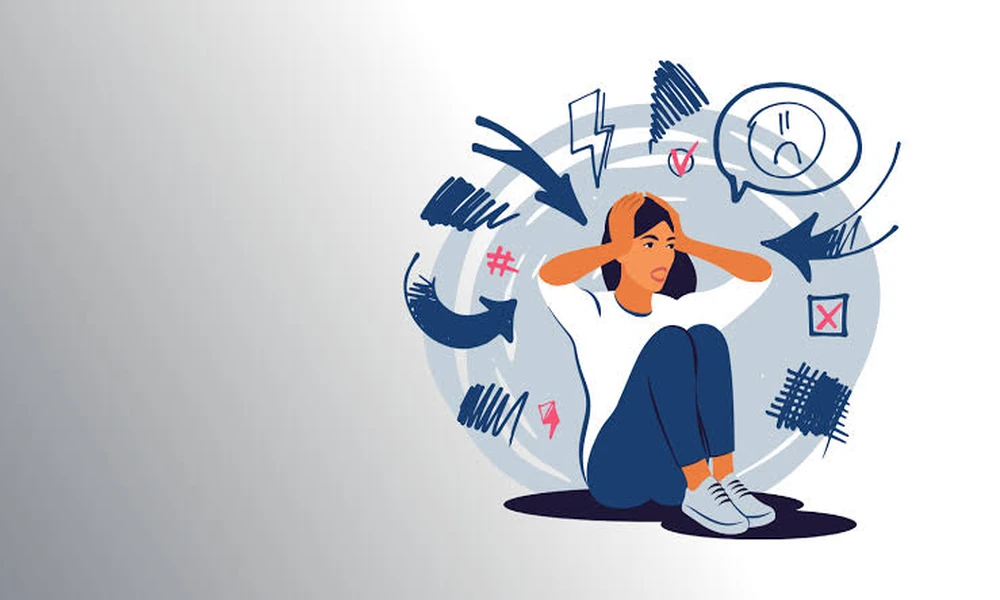
For decades, substance use disorder was framed almost entirely as a matter of willpower – a moral failing rather than a genuine medical condition. That framing has shifted substantially, and for good clinical reason: modern neuroscience and decades of outcome data show that substance use disorder (SUD) is a chronic, relapsing brain condition, comparable in many practical ways to diabetes or hypertension in its need for ongoing, longitudinal management rather than a single one-time cure. For nurses, adopting this clinical framework directly shapes how patients are screened, treated, documented, and supported across every care setting.
DSM-5 Diagnostic Criteria for Substance Use Disorder
The DSM-5 defines SUD using eleven specific criteria spanning impaired control over use, social and occupational impairment, risky use despite consequences, and pharmacological indicators like tolerance and withdrawal symptoms. A formal diagnosis requires meeting at least two of these criteria within a 12-month period, with severity then classified as mild, moderate, or severe based on the total number present. This structured, criteria-based approach helps clinicians move past assumptions or stereotypes and toward a consistent, evidence-based diagnostic process that applies equally regardless of the patient’s background.
Common Substances and Risk Factors
SUD can develop around alcohol, opioids, stimulants, sedatives, and a range of other substances, each carrying distinct risk profiles, withdrawal syndromes, and levels of medical danger during detox. Risk factors include genetic predisposition, early age of first exposure, chronic pain requiring long-term opioid therapy, significant trauma history, and co-occurring mental health conditions like depression or anxiety. Understanding a given patient’s specific substance and personal risk context shapes both the clinical urgency of the situation and the type of intervention that’s actually appropriate.
The Neuroscience of Addiction
Repeated substance use physically alters the brain’s reward circuitry over time, particularly the dopamine pathways responsible for reinforcing behavior and motivation. Over months or years of use, the brain increasingly requires the substance just to feel functionally “normal,” which is a core reason why willpower alone is rarely sufficient to stop use on its own. This underlying neurological reality helps explain why relapse is a common, expected part of the disease process rather than evidence that treatment has failed outright – a reframe that matters enormously for how nurses talk to patients about setbacks.
Treatment Modalities: Detox, MAT, Counseling, and Support Groups
Effective treatment typically combines several complementary approaches: medically supervised detox to manage withdrawal safely, particularly important for alcohol and benzodiazepine withdrawal, which can be life-threatening; medication-assisted treatment (MAT) using drugs like buprenorphine, methadone, or naltrexone for opioid use disorder; individual and group counseling to address underlying psychological drivers; and peer support programs that provide ongoing accountability and community. The strongest, most durable outcomes tend to come from combining pharmacological and behavioral treatment together rather than relying on either approach in isolation.
The Nurse’s Role in Screening and Referral
Nurses are frequently the first clinical contact for a patient with an undiagnosed or undisclosed SUD, whether that’s in primary care, the emergency department, or an inpatient medical-surgical unit. Using validated screening tools consistently, asking direct but non-judgmental questions, and knowing the local referral pathways are all essential practical skills. A single brief, well-handled screening conversation can become the entry point into treatment that a patient might otherwise never have sought out on their own.
Reducing Stigma in Clinical Care
Stigma remains one of the largest barriers to care, frequently causing patients to conceal use entirely or avoid seeking treatment altogether out of fear of judgment. Language choices matter measurably here – using person-first terms like “a person with substance use disorder” rather than labels like “addict” or “abuser” has been shown to improve clinical rapport and patient willingness to engage honestly in treatment. Actively reducing stigma in daily nursing practice is as much a genuine clinical skill as any physical assessment technique.
Managing Withdrawal Safely
Withdrawal management deserves special mention, since it can range from mildly uncomfortable to genuinely life-threatening depending on the substance involved. Alcohol and benzodiazepine withdrawal, in particular, can progress to seizures or delirium tremens if not medically managed, which is why unsupervised “cold turkey” cessation is actively discouraged for these substances specifically, even though it may be safer for other substances like opioids. Nurses monitoring a patient through withdrawal need to recognize escalating symptoms early, use standardized assessment scales where available, and understand that withdrawal severity doesn’t always correlate neatly with how much or how long a person used.
Documentation and Care Planning for SUD Patients
Documentation and care planning also matter enormously for patients with SUD, since a chart that simply labels someone as “non-compliant” without capturing the clinical context of addiction can follow a patient across multiple encounters and shape how future providers approach their care. Nurses who document objectively – noting specific behaviors, withdrawal symptoms, and response to treatment rather than judgmental language – help build a more accurate, useful longitudinal record. This is especially important for patients managing chronic pain alongside a history of SUD, where care teams must balance legitimate pain control against relapse risk, often requiring individualized agreements, closer monitoring, and non-opioid alternatives where appropriate.
Continuing Education for Substance Use Disorder Treatment
This full clinical picture – from diagnostic criteria through neuroscience to specific treatment modalities and communication strategy – is covered in detail in the Substance Use Disorder course, one of several free ceus for nurse practitioners and RNs can apply toward license renewal. It’s built to reflect the real screening and referral scenarios nurses encounter across nearly every practice setting, and sits within a wider set ofnursing certification online programs covering behavioral and clinical health topics side by side. Approaching SUD with the same clinical rigor and compassion applied to any other chronic condition, rather than treating it as a separate moral category, ultimately leads to better screening, better referrals, and better outcomes for the patients nurses see every day.