

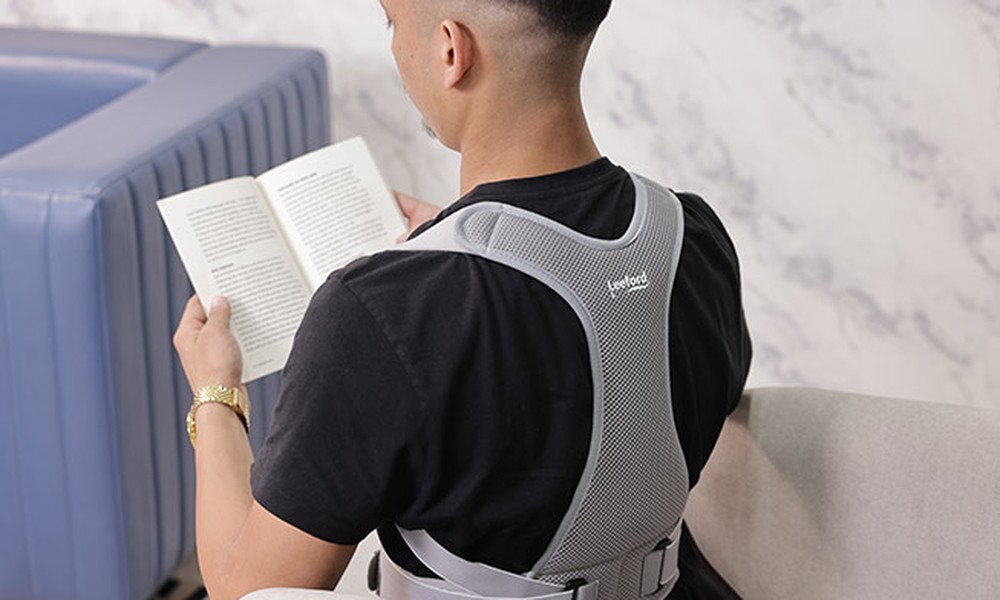
Do you find yourself slouching over your office desk or laptop for hours every single day? You are certainly not alone in this modern struggle. The majority of people encounter back discomfort and shoulder stiffness. They also experience neck strain from sitting too long. Individuals turn to an orthopedic posture corrector to fix this problem.
A simple online search for a trending posture corrector belt for ladies reveals thousands of products waiting to help you. These aids promise a quick and easy fix for your daily slouching habits. They usually look simple, sleek and promise immediate physical relief for your tired back.
However, a major and important question remains before you buy one. Are these posture belts safe for long-term wear on your body? It is necessary to understand how these orthopedic aids interact with your spine and muscles before you put one on.
Let us explore the real facts about these wearable support devices in very simple terms. This blog will help you make a safe and informed decision for your daily physical health and long-term comfort.
What is a Posture Belt?
A posture belt is a wearable device made of fabric, elastic and sometimes plastic straps. You wear it around your shoulders and upper back. The main objective of this aid is to hold your shoulders back and keep your spine aligned. A posture corrector belt pulls your shoulders when you begin to slouch. This action alerts you to sit or stand up straight. It simply feels like an instant cure for bad back habits.
How Do These Belts Help in the Short Term?
You will notice an immediate change when you first put on a posture corrector. Your shoulders move back and your chest opens up. This change can provide several quick benefits.
- It creates muscle memory by reminding you how a straight back feels.
- It reduces immediate strain on overworked neck and upper back muscles.
- It offers physical support during prolonged hours of sitting at an office desk.
These short-term benefits make the posture belt very useful.
The Hidden Risks of Long-Term Wear
While short-term use can be helpful, keeping the belt on for long periods triggers issues. Your body has its own natural posture correctors. These are your core and back muscles. Your body stops using these muscles when you wear a support belt all day.
Consider what happens when a person wears a hard cast on a broken arm. The arm muscles usually become weak and small. This is because they did not move after a few weeks. A posture belt functions in a similar way. Your back muscles overly rest if the belt does all the holding work.
These muscles become weak as time passes. The muscles will be too weak to hold you up when you finally take the belt off. This actually makes your posture worse than before.
The Right Way to Use a Posture Corrector
A careful plan is necessary to achieve effective results with posture belts without harming your body. This is how to safely use a posture corrector belt:
- Limit your wear time to thirty or sixty minutes per day
- Use the belt during activities where you slouch the most, like typing
- Do not pull the straps too tight as tight straps cut off blood circulation
- Remove the belt when you feel numbness, tingling or pain
- Focus on actively holding your back straight even when the belt is on
Comparing Short-Term and Long-Term Use
Here is a simple breakdown of how time affects your body when using these braces.
| Factor | Short-Term Use (Recommended) | Long-Term Use (Not Recommended) |
|---|---|---|
| Daily Wear Time | Thirty to sixty minutes maximum | Several hours or all day long |
| Effect on Muscles | Reminds muscles to activate | Makes muscles weak and lazy |
| Body Dependence | Your body learns to support itself | Your body relies completely on the belt |
| Long-Term Success | Helps build healthy sitting habits | Leads to more slouching and discomfort |
| Main Purpose | Functions as a temporary training guide | Used as a permanent back support |
Natural Measures to Improve Your Posture
You should strengthen your body naturally to achieve a healthy spine for life. You can do this by adding small habits to your daily routine.
Practice Stretching Exercises
Gently roll your shoulders backwards at least ten times throughout the day. Chin tucks are also suitable for neck alignment. Pull your chin straight back as if making a double chin. Hold that posture for five seconds and release.
Strengthen Your Core Muscles
Both abdominal and lower back muscles function just as a built-in brace for your spine. Simple exercises such as planks and bridges build strong core strength. A stronger core naturally holds your body upright without assistance required.
Set Up An Ergonomic Workspace
Adjust your computer screen such that it is positioned at eye level. This prevents you from moving your head forward. Put your feet flat on the floor and adjust your chair to support your lower back.
Take Regular Movement Breaks
Regularly stretch out your arms and take a short walk. Movement keeps your joints lubricated and prevents muscle stiffness.
Main Takeaways
A posture corrector belt for men and women can be a useful aid. It is ideal for raising awareness about your daily slouching habits. However, it is not a permanent solution for back health. Long-term wear leads to muscle weakness and greater dependency.
Use the device for short periods to train your mind. At the same time, work on strengthening your core muscles and changing your workspace setup. Your body possesses all the muscles it requires to maintain a balanced posture.
You just need to train those natural muscles to function effectively. This balanced approach ensures your back stays healthy, strong and straight without relying on a posture belt.